How To Grow False Heather: The Ultimate Guide
How to Grow False Heather: The Ultimate Guide
False heather (Cuphea hyssopifolia) is a beautiful and easy-to-grow plant that is native to Mexico. It is also known as Mexican heather or Mexican flame flower. False heather is a perennial shrub that can grow up to 2 feet tall and wide. It has small, bright green leaves and produces clusters of colorful flowers in shades of pink, red, orange, and yellow. False heather is a great choice for sunny borders, rock gardens, and containers. It is also a popular choice for cut flowers.
Introduction
False heather is a relatively low-maintenance plant, but there are a few things you need to know to keep it healthy and thriving. In this guide, we will discuss everything you need to know about growing false heather, from choosing the right location to watering and fertilizing.
Choosing the right location
False heather prefers full sun, but it can tolerate partial shade. It is important to choose a location that gets at least 6 hours of sunlight per day. False heather also prefers well-drained soil. If your soil is heavy or clayey, you will need to add some sand or compost to improve drainage.
Planting false heather
False heather can be planted in the spring or fall. When planting, dig a hole that is twice as wide as the root ball of the plant. Add some compost or sand to the bottom of the hole to improve drainage. Place the plant in the hole and backfill with soil. Water the plant thoroughly.
Watering and fertilizing false heather
False heather needs regular watering, especially during the summer months. Water the plant deeply once a week, then allow the soil to dry slightly before watering again. False heather does not need to be fertilized often. A light application of fertilizer in the spring will help the plant to bloom.
Pruning false heather
False heather does not need to be pruned often. However, you may want to trim the plant back in the spring to remove any dead or damaged growth. You can also prune the plant to shape it.
Overwintering false heather
In cold climates, false heather may need to be overwintered indoors. To do this, bring the plant indoors in the fall and place it in a bright, sunny window. Water the plant sparingly during the winter. In the spring, you can move the plant back outdoors.
Troubleshooting
False heather is a relatively pest- and disease-free plant. However, it may be susceptible to aphids, mealybugs, and scale. If you see any pests on your plant, you can treat them with insecticidal soap or neem oil.
Conclusion
False heather is a beautiful and easy-to-grow plant that is perfect for sunny gardens and containers. With proper care, false heather will reward you with colorful flowers for many years to come.
To learn more about false heather, visit Home Gardening.
FAQ of false heather
- What is false heather?
False heather (Cuphea hyssopifolia) is a small, shrubby plant that is native to Mexico and Central America. It is also known as Mexican heather, elfin herb, and cigar plant. False heather is a popular ornamental plant because of its colorful flowers and low water requirements.
- How big does false heather get?
False heather typically grows to be 1-2 feet tall and 2-3 feet wide. It has small, bright green leaves that are arranged in opposite pairs. The flowers of false heather are typically red, orange, or yellow, and they bloom in the summer.
- What are the medicinal uses of false heather?
False heather has some medicinal uses in traditional medicine. It has been used to treat fever, cough, and diarrhea. However, there is limited scientific evidence to support these claims.
- How do I care for false heather?
False heather is a relatively easy plant to care for. It prefers full sun to partial shade and well-drained soil. False heather is drought-tolerant, but it will benefit from regular watering during the summer months.
- Is false heather poisonous?
False heather is not considered to be poisonous to humans or animals. However, the leaves and flowers of false heather can cause an allergic reaction in some people.
Image of false heather
- White false heather
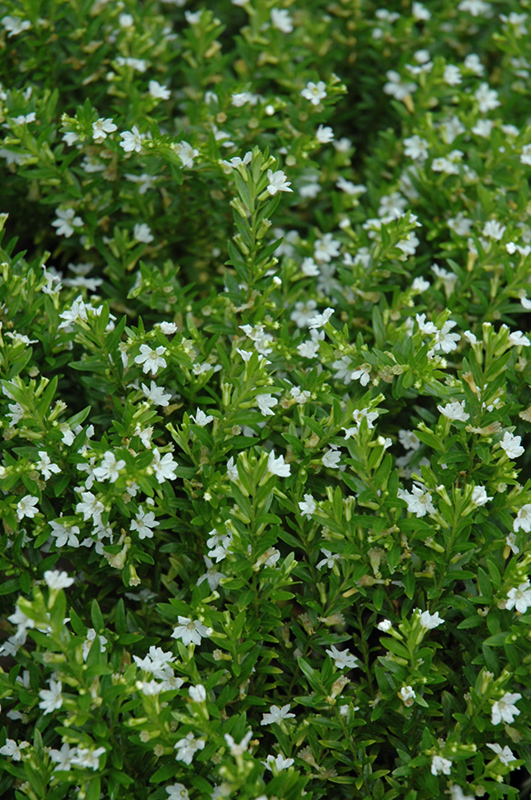
- Pink false heather

- Purple false heather

- Blue false heather
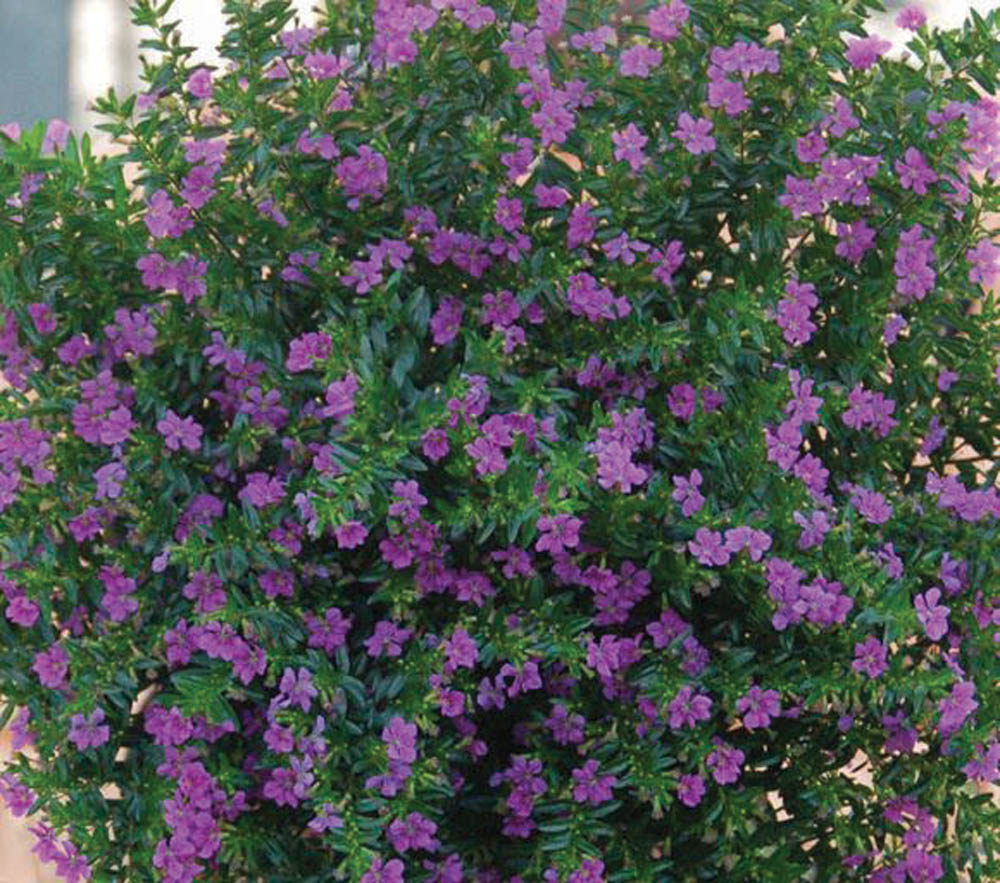
- Yellow false heather

- Orange false heather

- Red false heather
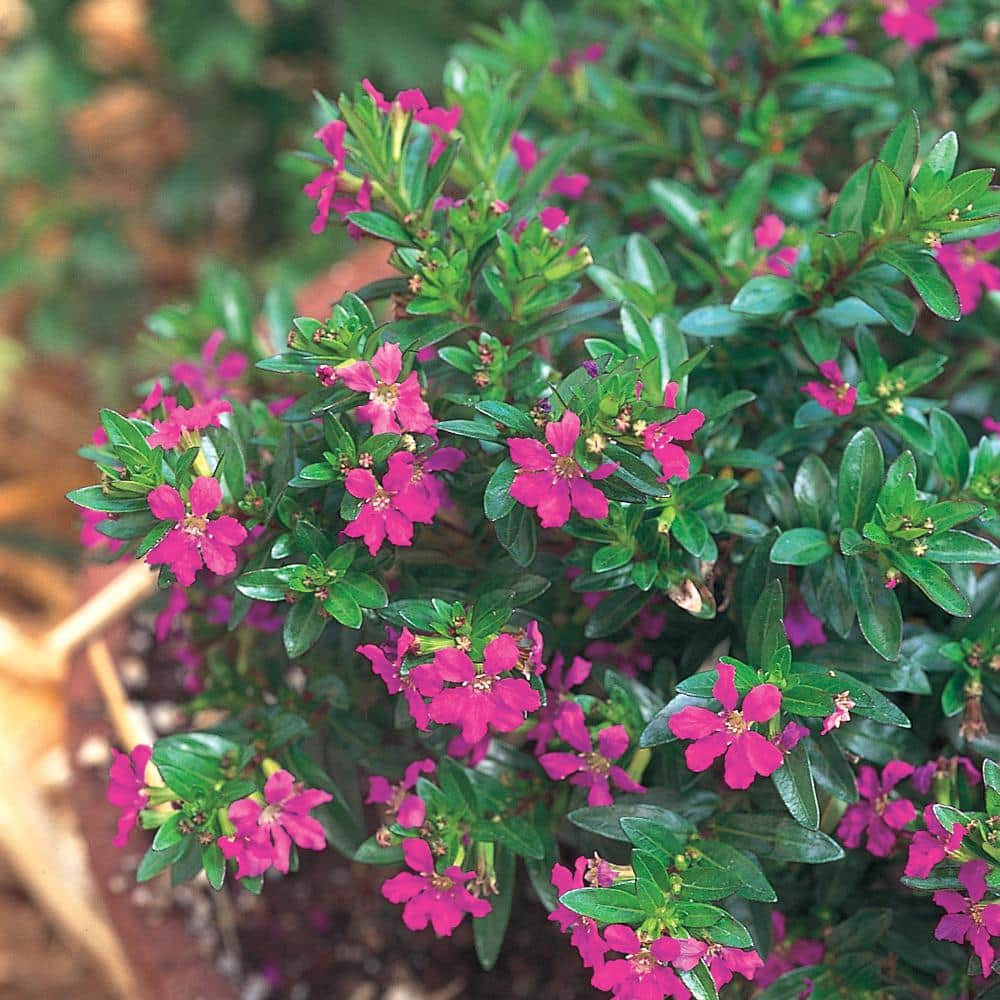
- Multi-colored false heather
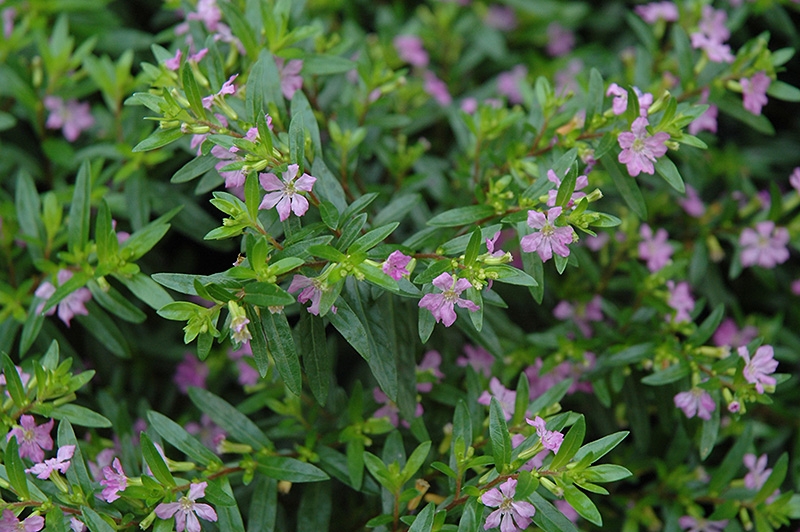
- False heather in bloom
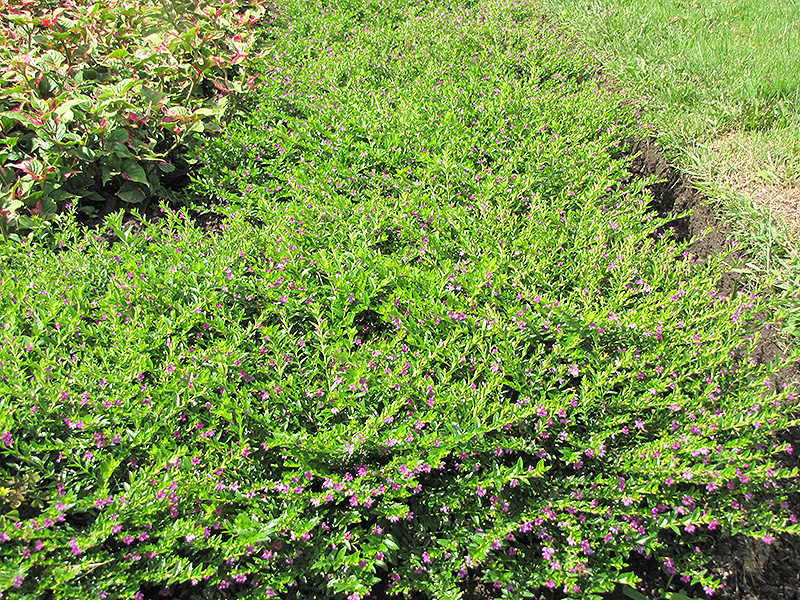
- False heather in a garden


Post a Comment for "How To Grow False Heather: The Ultimate Guide"